

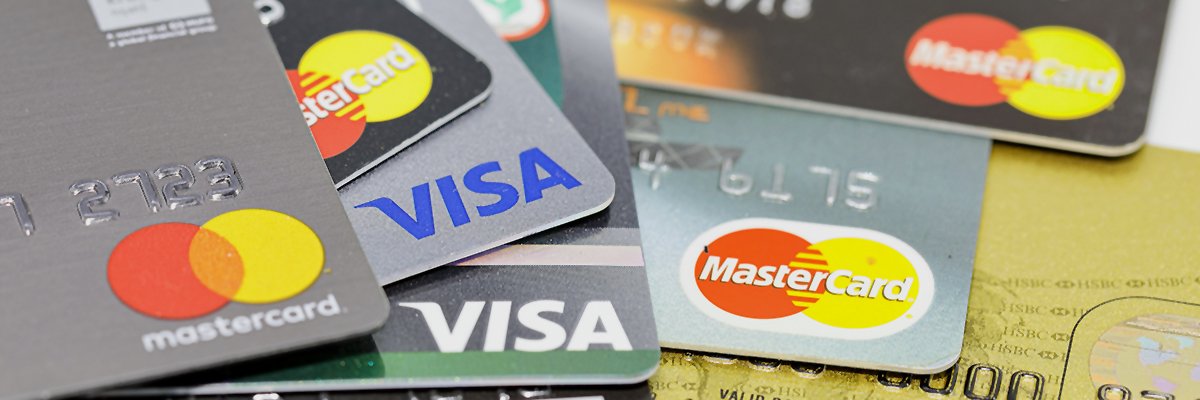

UK bank bosses are to meet this week to discuss a potential local alternative to Visa and Mastercard as the US president stokes fears over countries being cut off.
According to a report by The Guardian, a meeting chaired by the chief executive of Barclays will be held this week to discuss funding a new payments company for the UK.
Such a company would reduce the country’s reliance on US companies Visa and Mastercard, which, according to the Payments Systems Regulator, account for 95% of UK payments.
The Guardian reported that Visa and Mastercard are working within the initiative, known as DeliveryCo, alongside a large number of banks, including Santander UK, NatWest and Nationwide. It said the Bank of England is also involved and could develop the infrastructure blueprints.
Banking industry body UK Finance described DeliveryCo as a “…new industry-led entity that will take forward the implementation of that design for the future retail payments infrastructure”. Barclays CEO Vim Maru was named as chair.
Computer Weekly contacted Santander UK, NatWest, Nationwide and the Bank of England for comment, but they had not responded before this article was published.
One tech professional, who has worked at major UK banks, said: “I like self-sufficiency for the UK, and that has been eroded in technology, utilities, food, manufacturing and many other things, so developing our own alternative to Visa/Mastercard is a very good idea.”
The UK is not alone in fearing being cut off from payment systems. Last year, Christine Lagarde, head of the European Central Bank, expressed the same concern in Europe when she pointed to the heavy reliance of European countries on overseas payment infrastructures.
“Whether you use a card or a phone, typically it goes through Visa, Mastercard, PayPal, Alipay – where are all those coming from? Either the US or China. The whole infrastructure mechanism that allows for payments – credit and debit – is not a European solution. Brussels should make sure there is a European offer,” said Lagarde.
Speaking last May at the Innovate Finance Global Summit (IFGS), Francesco Simoneschi, co-founder of fintech TrueLayer, asked if now is the time to become less reliant on US payment schemes.
Simoneschi said it was time for an alternative to schemes such as Visa and Mastercard. “We have come a long way in 10 years and have laid the foundation of what is going to happen next,” he told the audience.
Chris Skinner, fintech industry expert and CEO at The Finanser, said: “I guess I’m cynical, but Europe has tried to do this several times over the past two decades and failed. Why would a collegiate of UK banks succeed?”
But he added: “Having said that, things are changing quite fast. We all thought Apple Pay would fail 10 years ago, and yet now it’s doing really well and progressing with a path based upon privacy, payments and processing.”
So, the real question is, do we need to replace Visa and Mastercard, or create a wallet that is truly British and can interact with any other wallet in the world?
He said Europe is working on that, adding: “If they succeed, then the payment system inside the wallet could be European and not Visa or Mastercard. That is a strategy.”
Geopolitical fears drove countries in the Nordic region to last year announce plans for offline backups to digital payments in the event of losing internet connectivity.
Finland, Sweden, Norway, Denmark and Estonia made the plans following unexplained damage to fibre-optic cables in the Baltic Sea.
