

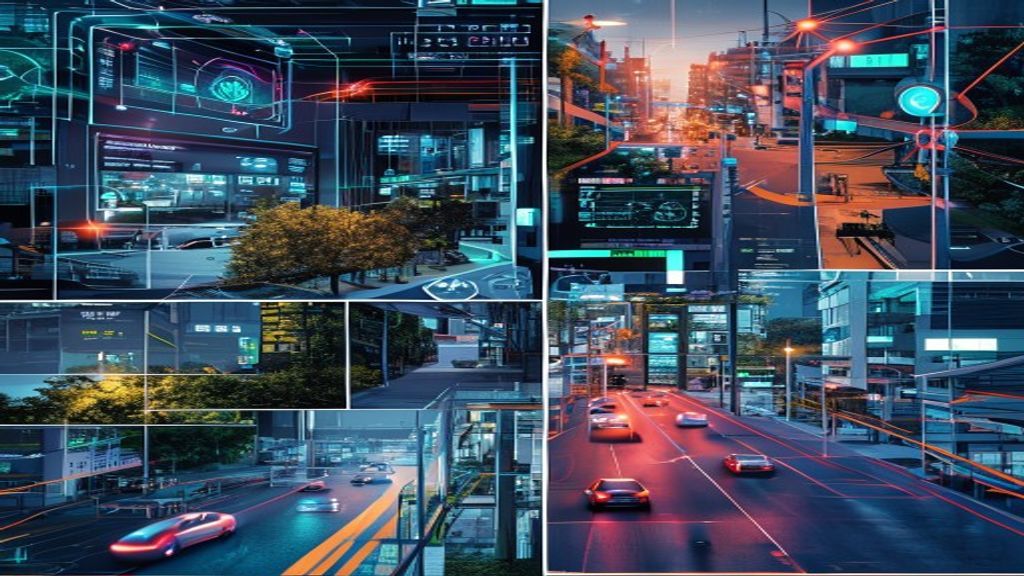

The Internet of Things (IoT) has moved well beyond buzzwords. Today, IoT powers everyday convenience at home, improves safety and efficiency in cities, and drives measurable gains across manufacturing, logistics, healthcare, agriculture, and energy. Instead of isolated devices, IoT connects sensors, software, and systems so data flows continuously—enabling smarter decisions in real time.
In this article, we’ll explore real-world use cases of IoT, highlight the outcomes organizations can expect, and share practical examples that show exactly how connected technology delivers value. Whether you’re a business leader evaluating ROI or a curious reader, you’ll come away with a clear picture of how IoT is transforming the world around us.
What Makes an IoT Use Case “Real-World”?
Not all IoT deployments are created equal. A strong real-world use case typically includes the following:
- Connected sensing: real-time measurements (temperature, motion, vibration, location, air quality, energy consumption).
- Reliable connectivity: Wi-Fi, cellular, LoRaWAN, Bluetooth, or industrial networks.
- Meaningful data processing: cloud/edge analytics, rule engines, or AI models.
- Actionable outcomes: alerts, automation, predictive maintenance, cost reduction, improved safety, or better customer experiences.
- Security and governance: device identity, access control, encryption, and monitoring.
With those elements in place, IoT becomes more than a dashboard—it becomes an operational advantage.
Real-World Use Case 1: Smart Homes That Learn Your Habits
One of the most visible IoT categories is smart home technology. IoT devices can detect conditions, interpret patterns, and automate routine tasks—while offering remote control and enhanced security.
Common smart home IoT applications
- Smart thermostats: adjust heating and cooling based on occupancy, weather, and energy pricing.
- Lighting automation: motion sensors turn lights on/off and reduce unnecessary usage.
- Leak and moisture detection: water sensors alert homeowners early, limiting damage.
- Smart security: door/window sensors, cameras, and alarm systems provide alerts and logs.
- Air quality monitoring: sensors for VOCs, particulates, and CO2 improve ventilation decisions.
Real outcomes
Smart home IoT use cases often translate into lower energy bills, fewer emergencies, and faster incident response. For example, a moisture sensor that triggers an immediate alert can prevent thousands of dollars in water damage.
Real-World Use Case 2: IoT in Smart Cities—Safety, Mobility, and Efficiency
At city scale, IoT helps governments and utility providers make streets and infrastructure more responsive. Smart city systems collect environmental data and operational metrics to optimize services.
High-impact smart city deployments
- Traffic management: cameras and vehicle sensors adjust signal timing and reduce congestion.
- Smart parking: occupancy sensors guide drivers to available spaces.
- Waste management: bin-fill sensors optimize pickup routes and reduce over-collection.
- Environmental monitoring: air quality and noise sensors guide public health alerts.
- Streetlight optimization: dimming schedules based on real-time conditions cut energy consumption.
Real outcomes
Smart city IoT solutions typically aim for cost savings, reduced emissions, and safer, smoother daily commutes. When trash pickup is demand-driven rather than schedule-driven, municipalities reduce fuel costs and improve service reliability.
Real-World Use Case 3: Predictive Maintenance in Manufacturing
Manufacturing is one of the strongest environments for IoT ROI. Equipment generates enormous amounts of operational data—temperature, vibration, pressure, motor current, and more. With IoT analytics, companies can predict failures before downtime happens.
Where IoT fits in factories
- Machine health monitoring: vibration and acoustic sensors detect anomalies in bearings, motors, and gearboxes.
- Quality inspection: vision systems and sensors identify defects earlier in the production line.
- Energy monitoring: track power usage by machine or production batch to identify inefficiencies.
- Asset tracking: tag tools and components to reduce searching time and lost inventory.
Real outcomes
Predictive maintenance IoT programs can reduce unplanned downtime and extend asset life. Instead of replacing components on fixed schedules, teams can act when sensor trends indicate failure risk.
Real-World Use Case 4: Connected Logistics and Cold-Chain Visibility
Logistics demands accuracy, speed, and integrity—especially for temperature-sensitive goods like vaccines, seafood, and pharmaceuticals. IoT helps companies monitor shipments and conditions throughout the journey.
Key IoT logistics applications
- GPS and asset tracking: monitor location and route progress in real time.
- Condition monitoring: temperature, humidity, shock, and door-open sensors track cargo integrity.
- Predictive ETAs: combine traffic, weather, and historical delivery patterns for more accurate arrival times.
- Automated warehouse operations: sensors coordinate pick/pack processes and track inventory movement.
Real outcomes
When companies can prove that products stayed within required temperature ranges, they reduce spoilage and lower compliance risk. Real-time alerts also accelerate response when deviations occur.
Real-World Use Case 5: Healthcare—Remote Monitoring and Smarter Patient Care
IoT plays a growing role in healthcare, enabling continuous monitoring without requiring patients to stay in clinical settings. From wearable sensors to connected medical devices, IoT improves care coordination and patient outcomes.
Examples of IoT in healthcare
- Wearable health trackers: heart rate, oxygen levels, sleep patterns, and activity monitoring.
- Remote patient monitoring: chronic condition tracking for diabetes, COPD, and cardiac health.
- Medication adherence: smart pill dispensers remind patients and track usage.
- Hospital asset tracking: locate wheelchairs, pumps, and devices to improve workflow.
- Cold-chain compliance for medical supplies: monitor storage and transport conditions.
Real outcomes
Effective IoT healthcare solutions can enable earlier interventions, reduce unnecessary hospital visits, and improve treatment adherence. When clinicians receive timely alerts, they can respond to changes before conditions worsen.
Real-World Use Case 6: Agriculture—Precision Farming at Scale
Agriculture faces challenges like water scarcity, climate variability, and labor constraints. IoT supports precision farming by connecting fields, equipment, and environmental data to help growers make better decisions.
How IoT is used in the field
- Soil moisture sensing: irrigate only when needed, reducing water waste.
- Weather stations: monitor rainfall, humidity, temperature, and wind for smarter planning.
- Livestock tracking: wearables monitor location, health indicators, and activity levels.
- Smart greenhouses: regulate lighting, temperature, and CO2 for consistent yields.
- Equipment telemetry: track tractor performance and maintenance needs.
Real outcomes
Precision irrigation and early detection of crop stress can improve yields and lower input costs. IoT can also support more sustainable practices by optimizing fertilizer and water usage.
Real-World Use Case 7: Energy Management and Smart Grids
Energy is a prime IoT playground because it involves distributed infrastructure and constant demand fluctuations. IoT helps utilities and businesses monitor systems, detect issues, and improve efficiency.
Where IoT improves energy operations
- Smart meters: track consumption at granular intervals and support dynamic pricing.
- Transformer and line monitoring: detect overheating, faults, and anomalies early.
- Building energy management: optimize HVAC, lighting, and peak-load usage.
- Renewable integration: monitor solar and wind output for better grid balancing.
Real outcomes
IoT-enabled energy systems can reduce losses, improve outage response, and help organizations manage costs by shifting usage away from peak times.
Real-World Use Case 8: Retail and Asset Tracking—From Inventory to Personalization
Retailers are adopting IoT to improve inventory accuracy, reduce shrink, and enhance customer experiences. While personalization also matters, many IoT deployments focus on operational efficiency.
Retail IoT use cases
- Connected inventory tracking: sensors and tags help locate products quickly.
- Smart shelves: detect stock levels to automate replenishment.
- RFID + IoT integration: improve inventory visibility and reduce manual counts.
- Loss prevention: motion and door sensors help identify suspicious activity.
- In-store environment monitoring: manage temperature, humidity, and display conditions.
Real outcomes
Better stock visibility means fewer out-of-stock incidents and less waste. For retailers with high SKU counts, even small improvements in inventory accuracy can significantly impact profits.
Real-World Use Case 9: Warehousing and Supply Chain Automation
Warehouses are increasingly data-driven. IoT sensors coordinate equipment, monitor environmental conditions, and support efficient workflows across storage and dispatch.
Common IoT warehouse scenarios
- Environmental monitoring: track temperature and humidity for sensitive goods.
- Automated conveyor and robotics optimization: sensors detect bottlenecks and equipment status.
- Worker safety monitoring: wearable or station-based sensors help detect unsafe zones.
- Real-time inventory location: reduce time spent searching for items.
Real outcomes
IoT supports faster picking, fewer delays, and improved safety. When combined with robotics and warehouse management systems, it can help warehouses run more predictably.
Real-World Use Case 10: Safety, Security, and Monitoring in Commercial Buildings
Large facilities—office buildings, campuses, data centers, and industrial sites—benefit from IoT-based monitoring. These systems improve safety, reduce risk, and optimize operations.
Examples
- Access control: connected locks and badge systems improve auditability.
- Occupancy sensing: optimize ventilation and lighting based on real demand.
- Fire and smoke detection: faster alerts can reduce response time.
- Data center cooling monitoring: track airflow and equipment temperatures to prevent overheating.
- Structural health monitoring: strain gauges and vibration sensors flag potential issues.
Real outcomes
When IoT detects hazards quickly, organizations can respond faster and reduce operational risk. For mission-critical environments like data centers, early anomaly detection can prevent costly outages.
How to Choose the Right IoT Use Case for Your Business
With so many possibilities, the best approach is to select use cases aligned to business goals. Consider these steps:
1) Start with a measurable problem
Choose a pain point that can be quantified—downtime hours, energy spend, defect rates, spoilage, delivery delays, or maintenance costs.
2) Map the data you already have (and the data you need)
IoT works best when you connect sensors to existing workflows. If you already have CMMS, ERP, or ticketing systems, the deployment should integrate with them.
3) Evaluate connectivity and deployment complexity
A use case in a remote farm may need low-power wide-area networking, while a factory floor may require industrial Ethernet or private wireless networks.
4) Decide between edge and cloud processing
Some outcomes need instant responses (like safety alerts) and are best handled at the edge. Other tasks, like long-term forecasting, can be done in the cloud.
5) Plan for security from day one
IoT security isn’t optional. Ensure you have device identity, secure onboarding, encryption, role-based access, patch management, and monitoring.
Common Challenges in IoT Deployments (and How to Address Them)
Even proven IoT use cases can fail without proper planning. Below are typical challenges and practical ways to reduce risk.
Data quality and integration
Bad sensor calibration, inconsistent data formats, and poor integration can undermine analytics. Use reliable hardware, validate data, and standardize schemas.
Scalability
One pilot project may work, but scaling to hundreds or thousands of devices requires robust device management, telemetry pipelines, and alerting rules.
Battery life and maintenance
For battery-powered sensors, power budgeting is critical. Choose efficient sampling rates and consider energy harvesting where possible.
Security and compliance
IoT systems can expand an organization’s attack surface. Adopt a security framework, segment networks, and enforce continuous monitoring.
Future Outlook: IoT Use Cases Are Getting Smarter
The real-world use cases of IoT are evolving. More deployments now combine IoT with:
- AI and machine learning for predictive insights and anomaly detection
- Digital twins for simulation and operational planning
- 5G and private networks for lower latency and higher reliability
- Edge computing to reduce response time and bandwidth costs
As these capabilities mature, IoT will shift from “monitoring” to “autonomous optimization,” where systems continuously adjust operations based on live conditions.
Conclusion: Real IoT Value Comes from Actionable Data
IoT’s greatest strength is turning scattered device data into real operational action. From smart thermostats and leak detection to predictive maintenance, cold-chain tracking, precision farming, and smart grids, the real-world use cases of IoT share a common theme: they improve outcomes—cost, safety, efficiency, and customer experience.
If you’re exploring IoT, start small with a high-value, measurable problem, ensure data quality, prioritize security, and build for scalability. With the right strategy, IoT doesn’t just connect devices—it connects organizations to better decisions.
